Author: admin

  • Brayden Pleau

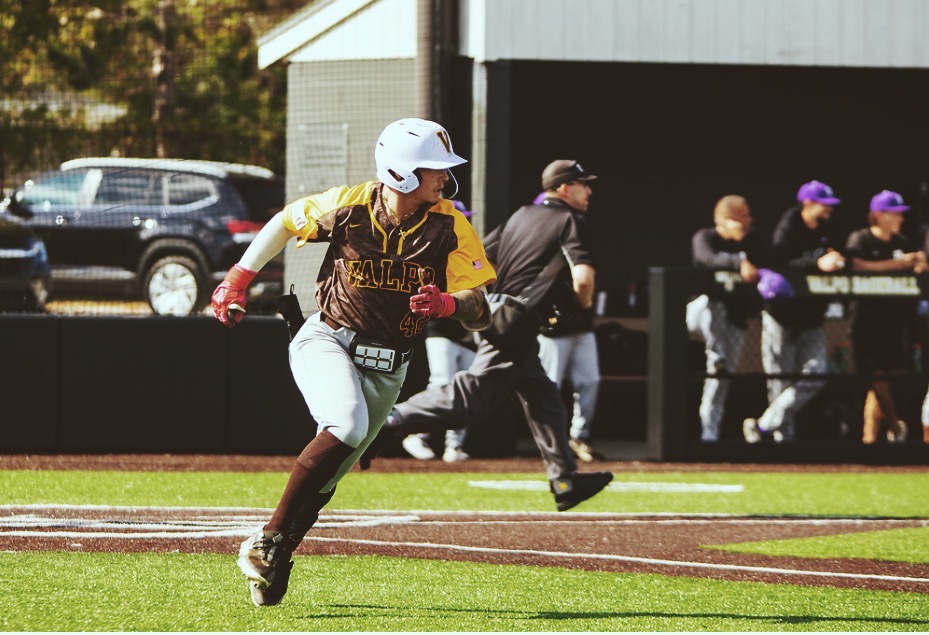
    I am currently a student athlete at Valparaiso University in Indiana. I currently have my associates degree from Bryant & Stratton University. I am now working on my bachelors in Business Management.

    A few things I enjoy include anything athletic (playing baseball and lifting weight), along with watching sports and hanging out with my friends.

    Need to get in touch with me? Brayden.pleau@valpo.edu.

  • From National Shrine to Contested Legacy (1990–2025)

    The creation of the Nation WWII Memorial on the Washington Mall. It looked like it would help bring back the celebration the community once has. It had a classic look to it, and real life work. It helped bring people back to the victory culture once has. The memorial though caught some controversy for its imperial nature. It showed the European and Pacific theaters equally but barely had any reference to the HoloCaust or Japanese and American side. The war’s memory transition has been more severe since the 1990s. Heroic, critical and personal are now competing stories told by popular literature, films, video games, and exhibits. The phrase “Greatest Generation” that was popularized by Tom Brokaw in 1998, is used side by side with scholarly research that uncovers military racism, wartime atrocities committed by the victors and the psychological trauma left on the fighters. As the last of the veterans vanish the last American WWII veteran is already over ninety five the war moves from being a lived experience to one of a historical event. New controversies regularly erupt around the matter. There are discussions on the renaming of military installations where Black soldiers were trained but were under the command of Confederate officers, and different stances on how or whether to memorialize the bombings, as well as disagreement on the character of the new monuments in states and cities. Eighty years after the victory, World War II remains the nearest thing to an American national story, yet at the same time, one of the most hotly contested areas of the nation’s history.
  • Vietnam and the Re-Opening of the Good War (1965–1985)

    The moral certainty that surrounded World War II started to disappear during the Vietnam era. Public trust in the military began to collapse. The so called justified conflict caused scrutiny in the U.S. People like journalist and filmmakers started to ask more questions since they were previously muted. Things like the bombing being seen as terrorism or was the bombings necessary or just a way to scare off the Soviets. Physical memorials also reflected the shift. Things. Like the USS Arizona memorial ended up being delayed for years after the war. Which finally opened in 1962 as a quiet structure floating above the sunken battleship. Then two years later the Maya Lin’s Vietnam Veterans Memorial opened but it had a majorly different look to it. The older victory arches began to appear bombastic by comparison. Newer World War II memorials often took on a more restrained tone – simple plaques, etched names, and requests for reflection rather than applause, paid for by aging veterans themselves. Television evolved the change. Things like Documentary series brought uncensored footage into American’s living rooms. Oral histories and revisionist scholarship pointed out segregated units, battlefield trauma, and moral ambiguity. By the mid-1980s the phrase “Good War” was frequently placed in ironic quotation marks, signaling that public memory had become far more complicated than the victory culture of the immediate postwar years.

  • Victory Culture and the Living Memorial (1945–1960)

    World War II ended in an explosion of national relief and pride unmatched in American history. From September 1945 into the 1950s, the public memory of the war was overwhelmingly celebratory. Newspapers, newsreels, and popular films framed the conflict as the “Good War”. A clear moral crusade that proved both American righteousness and American power. Parades filled city streets, bond-drive statues were forever cast in bronze, and Hollywood produced films such as The Best Years of Our Lives that suggested veterans returned to a grateful nation ready to reward their sacrifice with jobs, homes, and suburban prosperity. Although grief was very real. Communities changed it into “living memorials”. Rather than being traditional and having towns build things like buildings or highways with the names that have passed to save us during the war. Arlington National Cemetery expanded, yet local preference ran toward usable, optimistic monuments that turned sacrifice into civic improvement. Historians later labeled this phenomenon “victory culture.” This phrase shows us how the war transformed into evidence that the collective effort could solve any problem. Then became difficult topics like Japanese and American internment, or racial segregation that happened at the time of the war. For nearly two decades their ended up being a narrative on the US. The United States had fought the good fight, won decisively, and earned the right to a booming peacetime future.

  • Hello world!

    Welcome to WordPress. This is your first post. Edit or delete it, then start writing!